“Intent” NoteSpeak (In a Word) Dispatch 10 Subscriber video gift
When celebration sounds like domination

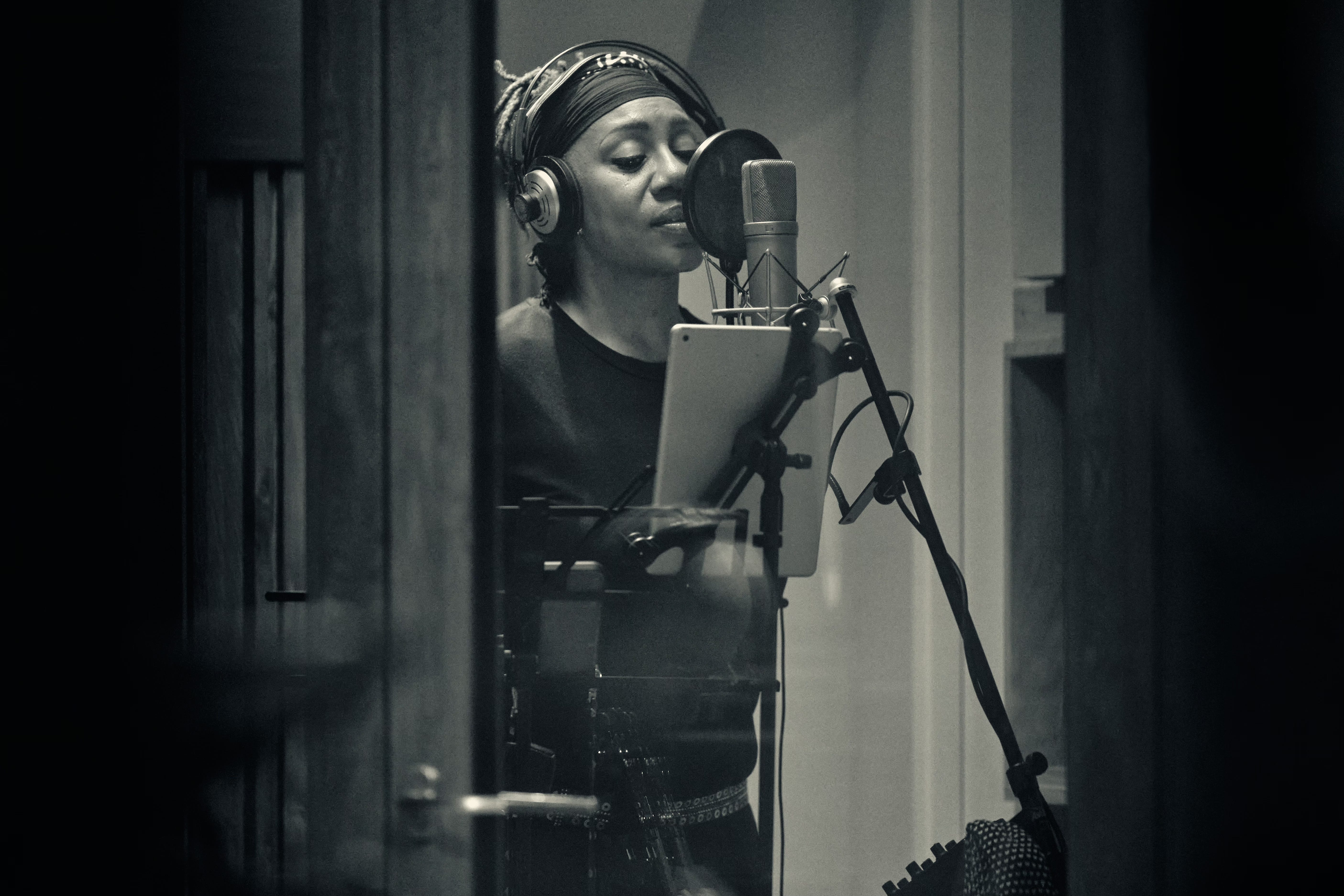
Studio video gift for paid subscribers: “Intent,” embedded below.
What follows is an excerpt; you can find the full essay here via this friend link. It first appeared on Medium, in deterritorialization, under the title “Slaying the Narrative, Violence and success in the American lexicon.”
Beyoncé slayed when she strutted out in her disco cowboy hat for the drop of her new album Renaissance. Why not slew? The irregular slew is not invited to the dance floor as a new coinage. A hat that goes viral? Only Queen B can slay that hard. “Slay” has deep roots; originating from the Germanic, it’s been used since the Old English period, pre-1150. When chainmail was all the rage. It’s always been a popular verb, all those mythological dragons to slay.
What a stark contrast its original definition held compared to its current reign as queen of slang. In the Paris Review and again to Krista Tippett in A Life Worthy of our Breath, Vietnamese American poet, essayist, and novelist Ocean Vuong contemplates our lexicon of celebration and conquest, which relies on the language of violence.
In his essay for the Paris Review, he ruminates,
“To some extent, these are only metaphors, hyperbolic figures of speech — nothing else. But there are, to my mind, strong roots between these phrases and this country’s violent past. From the Founding Fathers to Manifest Destiny, America’s self-identity was fashioned out of the myth of the self-made revolutionary turned explorer and founder of a new, immaculate world of possible colonization. The avatar of the pioneer, the courageous and stoic seeker, ignores and erases the Native American genocide that made such a persona possible. The American paradox of hegemonic masculinity is also a paradox of identity. Because American life was founded on death, it had to make death a kind of praxis; it had to celebrate it. And because death was considered progress, its metaphors soon became the very measurement of life, of the growth of boys. You fucking killed it.”
What does our persistent use of this vocabulary of aggression say about our humanity? I’m obsessed with this question. The fact that our encyclopedia of brutality must also seep into our consciousness… I agree with Vuong, which leads one to conclude that we are hindering humankind’s productive evolution. Do these phrases unconsciously pave the way to a perception that violence is the path to achievement?
“Intent” from NoteSpeak (In a Word) was born from this obsession, one I just can’t shake.